
President (Academic Life)
Runs from 23 Mar 2026 10:00 until 26 Mar 2026 17:00

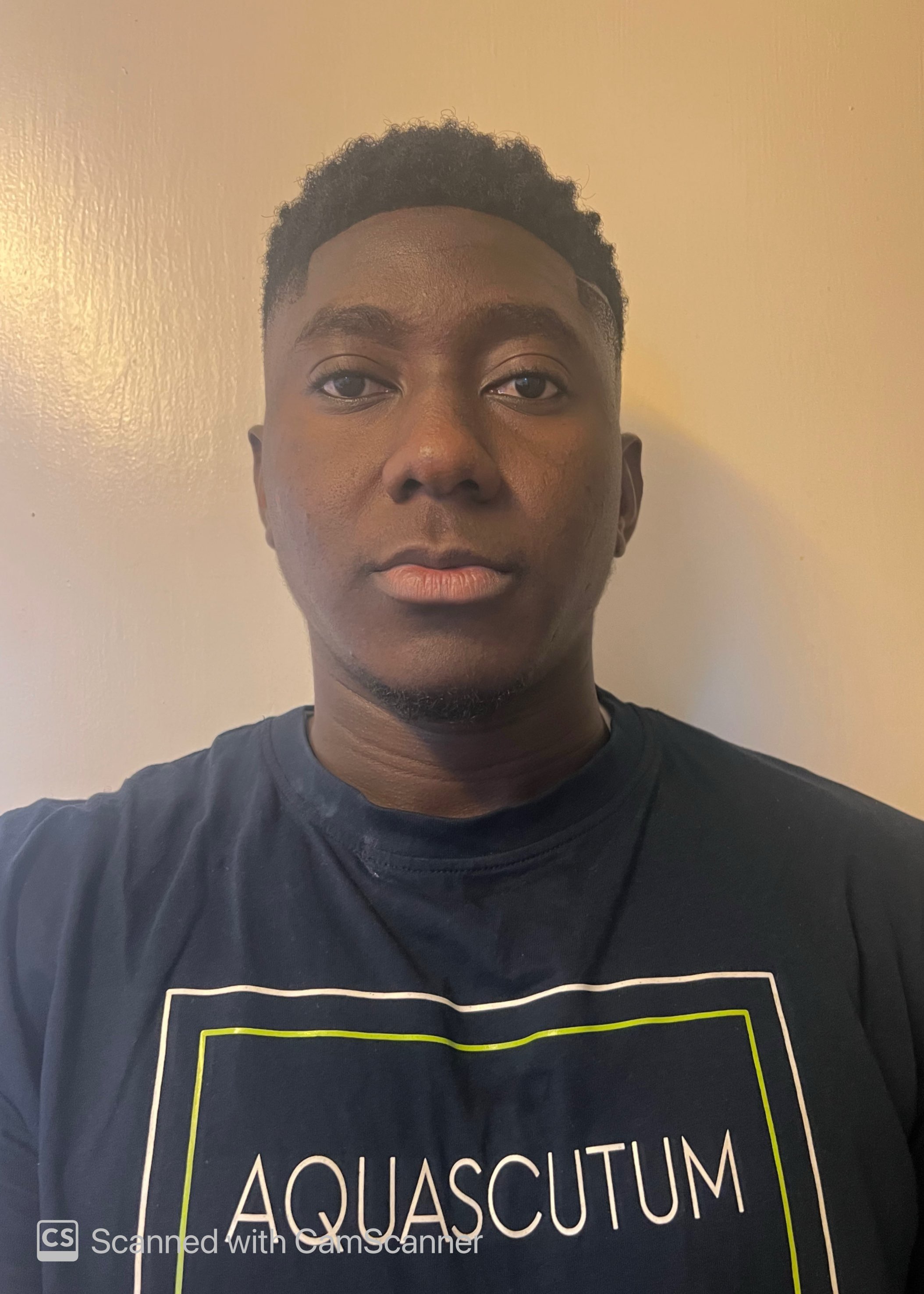
Hi, my name is Faruq. I’m a full-time Mental Health Nursing student at Canterbury Christ Church University, Canterbury Campus. I also hold a degree in Global Public Health and work part-time within the NHS alongside my studies. I’m applying because I genuinely care about how students experience their education and not just the outcomes, but the process especially during the moments when pressure feels highest. Before joining CCCU, I served as an academic representative at my previous university, which showed me how important structured student voice is in shaping academic decisions. Since being here, I’ve continued to reflect on how we can strengthen academic support in practical ways. For example, after noticing that students often struggle to access structured academic writing support during university closure periods, particularly around Christmas. I developed and shared a proposal with the Library team suggesting that we explore services like Studiosity to provide flexible, 24/7, structured feedback support for students. The aim wasn’t to reduce standards, but to recognise that academic pressure doesn’t pause when campus closes. That experience reinforced why I’m applying, and I don’t just want to raise concerns, I want to bring forward thoughtful and workable solutions. I want to represent my fellow students at the level where those decisions are made. I believe student voices should help shape academic systems, and not just respond to them. To me, Leadership isn’t about visibility, it’s about responsibility. Therefore, I am putting myself forward for this position to be a responsibility students representative and not just a leader.
If elected, my priorities would focus on practical, evidence-informed improvements to the academic experience and my main key areas right now would be: 1. Accessible Academic Support Including During University Closure Periods; Academic development should reflect how students actually study and support should not feel seasonal or unavailable when students need it most. I want to explore ways to improve access to academic help during peak assessment periods and university closures, especially for students on placement who may struggle to attend on-campus sessions. 2. Balanced and Realistic Assessment Planning; Students consistently report feeling overwhelmed by deadline clustering. I would prioritise raising this at the Academic Board level and encouraging clearer planning and communication, especially for professional courses where placements intensify workload. 3. Strong Representation for Professional Courses; Courses in healthcare, social care, teaching, Education, and Engineering have unique pressures due to placements/internships and professional standards. I want to ensure these voices about their pressure and overwhelming nature are consistently represented in academic discussions and not overlooked. 4. Clear Communication and Accountability; Students deserve to know what happens after feedback is given. I would prioritise transparent updates so students can see how their voices influence outcomes. I won’t promise instant change, but I will promise consistency, evidence-based advocacy, and making sure every student feels academically supported, represented, and genuinely heard by working constructively with the university to push for realistic improvements in the key priorities I have listed above.
I bring lived academic experience, governance awareness, and professional accountability. As a former academic representative, I’ve already engaged in structured dialogue between students and staff. That role taught me to communicate concerns without escalating conflict and to be solution-focused rather than reactive. My background in Global Public Health strengthened my ability to look at systems critically, not just at individual problems. It trained me to ask: why is this happening structurally? It also trained me to examine patterns, equity, and access. These skills are directly relevant when discussing workload distribution and academic support structures. Working in the NHS has developed my professionalism, resilience, and ability to operate within formal governance settings. Healthcare environments require calm communication, documentation, accountability, and collaborative problem-solving. These qualities are essential in student leadership. Most importantly, I am consistent. I would listen, welcome advice, and work collaboratively with fellow students, representatives, and university staff to ensure good representation of my fellow students at the level where change and improvement can be influenced. If students vote for me, they are voting for someone accountable and reliable, not a leader with the loudest voice in the room. I will prepare properly for meetings, follow through on actions and agendas, and communicate honestly. Thank you, and I would not take your votes for granted.